Have you ever tossed your ball, smashed it with a perfect serve, watched it fly over the net, and give a half-hearted bounce up before rolling away?
Whether you’re a beginning tennis player, have been working on your game every weekend, or are a seasoned pro, you know that the type of tennis ball you use makes a difference.
[amazon table=”557″]Tennis balls are designed for optimal performance in the sport. They are made out of rubber, are filled with pressurized air to give them a good bounce, and are then covered in felt. But that’s only half the story. What kind of felt does it use?
How much pressure does the ball have left? And, did you know that the surface you’re playing on can make a difference?
While the International Tennis Federation determines the type of tennis balls used in regulated competitions, you can choose from a vast selection of different balls for fun, sports, and practice.
There are tennis balls geared for a range of expertise, various court surfaces, and specific uses.
The tennis balls are mostly fluorescent yellow. Nowadays, tennis balls come in a variety of colors, but fluorescent yellow is the most preferred one as it is visible, especially on television screens.
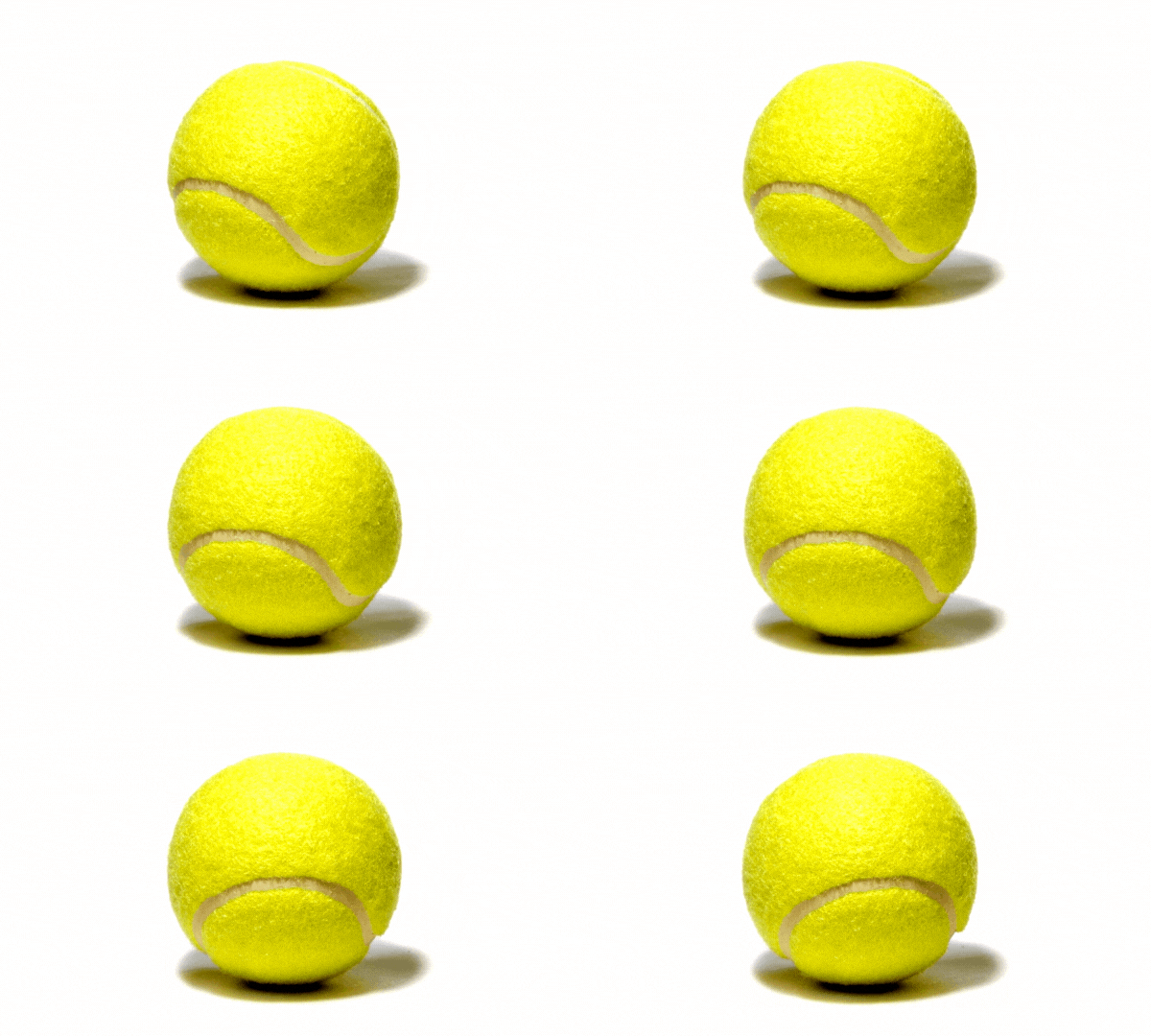
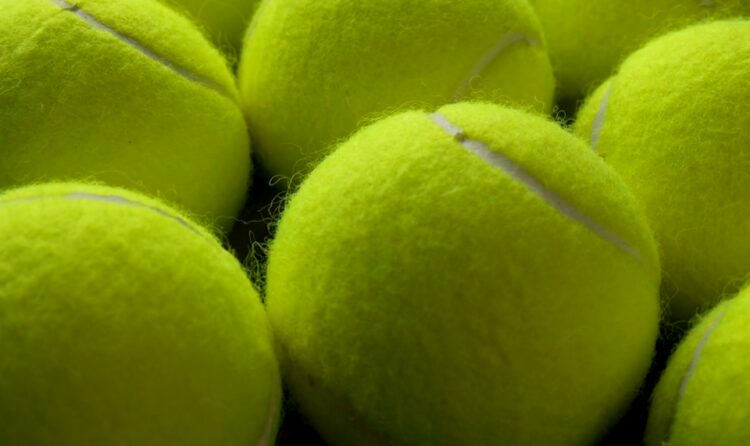
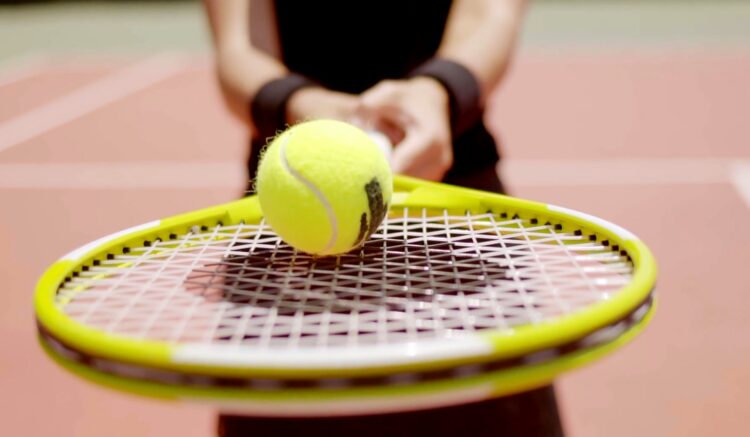
Each tennis ball has a white curvilinear oval that covers it. Tennis balls are intentionally covered in a fibrous felt, which improves the aerodynamic properties of the ball.
Tennis balls of the modern era are made to comply with the rules or standards made by the International Tennis Federation (ITF). It comes in different weights, sizes, deformation, or bounces. Some of the official parameters set up by ITF are- Diameter- 6.54cm – 6.86 cm, Mass- 56.0g- 59.4g.
The colors approved by ITF are yellow and white. Each tennis ball has a number on it; this helps in distinguishing one set of balls from the other set of balls in the same brand.
We rounded up the best tennis balls of 2024 to help you choose which one is the right fit for you. Because if you expect it to bounce, it should!
Top High-Altitude Tennis Balls
If you are looking for a good tennis ball for yourself, then you are suggested to read this article. We have prepared a list of some of the best tennis balls.
These balls are used widely across the world. Some professionals in tennis tournament also use some of these brands.
They all have unique specifications; you can choose the ball of your choice so that you can improve your performance in the tennis tournament. To buy a good ball, you should be aware of some essential factors in tennis balls.
For this reason, we have written a buying guide for you. You can go through this guide before purchasing a tennis ball.
1. Gamma Bag Tennis Balls – Editor’s Pick
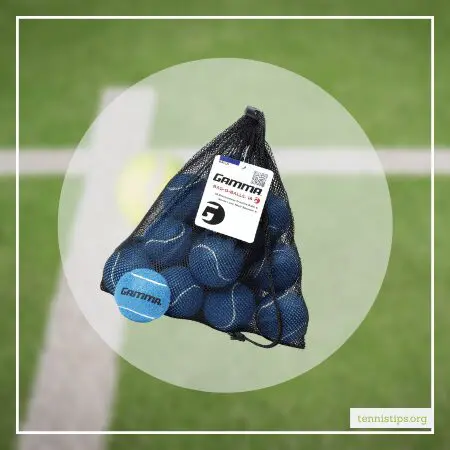
Gamma Bag pressure less tennis balls are one of those tennis balls that confers maximum performance to its users. Pressureless tennis balls are made in such a way that they do not lose pressure even after a longer period.
It provides a wide range of features to its users, such as longer durability and a higher level of performance that is not essentially provided by the standard gas-pressured tennis balls. This type of tennis ball is ideal for practicing purposes.
No matter how roughly the learner deals with it, these tennis balls remain durable for a long period.
The Gamma ball is highly consistent in almost all types of courts. It is so versatile that it can be used on any court without any issue (whether the court is soft or hard). It is perfectly designed for sessions of tennis on cement or clay courts.
This tennis ball comes with a reusable bag that is very handy and travel-friendly. You can even use this ball to play with your pets especially dogs love to play with tennis balls. Since the tennis ball is durable, pets cannot tear it easily.
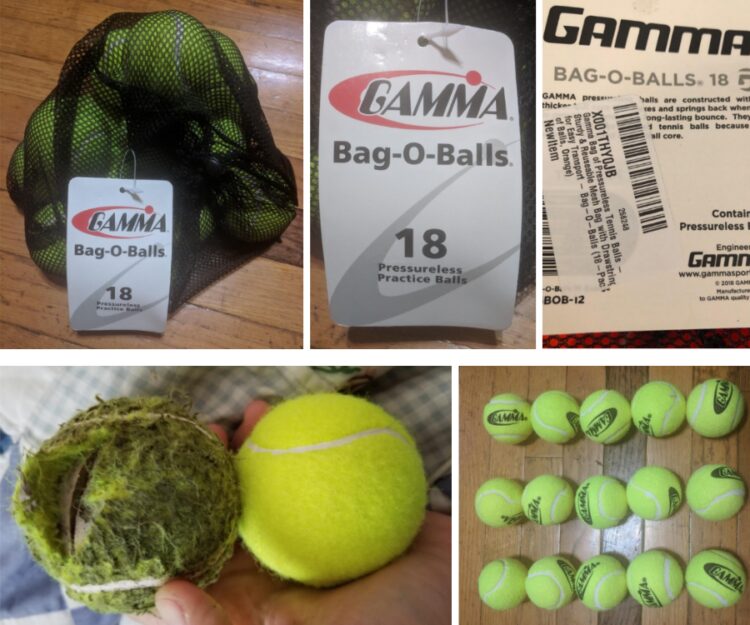
- The ball lasts longer.
- It can be used while playing with pets.
- The quality of the ball is not as expected.
- It is not much sturdy.
2. Wilson Prime Tennis Balls – Best Quality
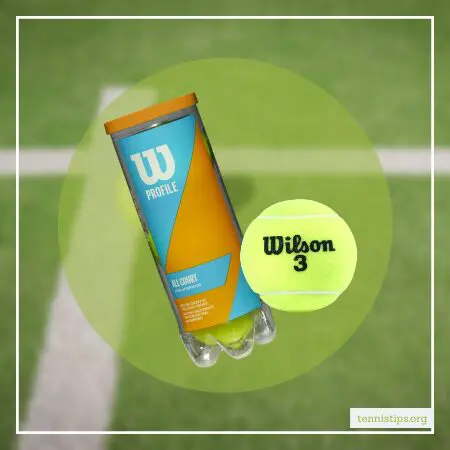
Features:
- Type: soft
- Felt: good
- Weight: heavy
- Bounce: high
Wilson tennis balls comprise of some exclusive features; it has special Duraweave felt that makes it ideal for all types of courts. Wilson tennis goodies are of top quality and are preferred over other brands.
The brand provides extended durability and play; it also improves the performances of its players. Australian Open, US Open, and NCAA tennis officially use the tennis balls made by Wilson. The balls give superb consistency and playability.
The Wilson tennis balls are approved by USTA and ITF, which makes it a reliable product. It is eligible to be used on all court surfaces without disrupting the performance of its players.
The balls come in packs of different sizes – 72 balls (24 can case), three balls (3 can case), and 12 balls (4 can cases). You can easily choose the number of balls that are required by you.
These tennis balls, also from Wilson, are a versatile option for all court surfaces. They are durable and covered with Wilson’s unique Duraweave felt. We recommend this ball for professional athletes and beginners alike.
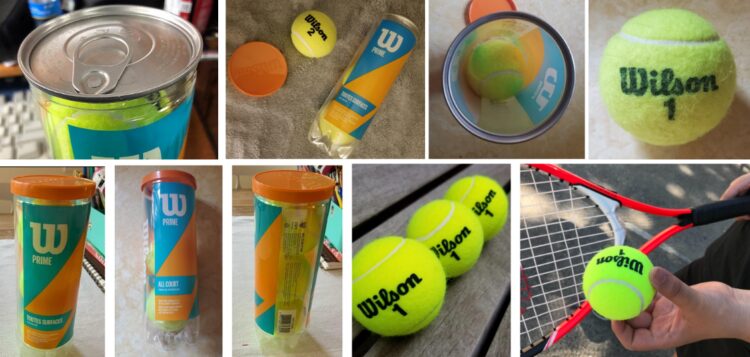
- The balls are cost-effective.
- The Wilson balls are very durable.
- Approved by USTA and ITF.
- Overall, product quality is excellent.
- Excellent all-around tennis ball
- Durable and long-lasting felt
- Some customers received defective products.
- It is reported that the balls have some sort of unpleasant odour.
- Quality could be inconsistent from can to can
3. Wilson US Open Tennis Balls – Best for Tournaments
Features:
- Type: soft
- Felt: High-quality Tex-Tech
- Weight: light
- Bounce: moderate
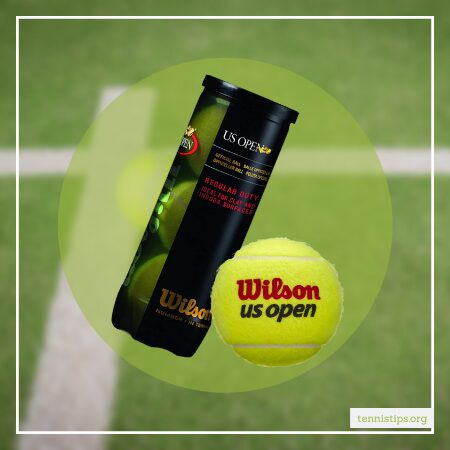
The Wilson US open extra duty balls are official balls of the US Open and are used in almost every game of the US Open. As we all know, the US Open is one of the toughest tournaments in the world.
This tournament uses more than 65000 tennis balls, all the balls used by the US Open are essentially tough and strong. Wilson balls were made during 1979, need not mention, but this is the only brand that is used officially by the US Open. This is the reason they are named as US Open balls.
These balls are constructed using some extremely high quality of the wools, which is brilliantly woven into a thick and dense felt, and this is the main reason behind the ball’s extended durability and longer life. The Wilson US Open balls offer a nice playtime to the players.
The most loved thing about this ball is the premium tech feel that it has; this gives the ball an excellent swing on the courts. The hard courts’ players get benefited the most from these balls, as the balls are perfectly optimized to be played on the hard courts, but that does not mean the balls cannot be used on other courts.
Wilson is one of the most popular manufacturers of tennis balls and is the official ball for the US Open and Australian Open Grand Slam Championships. Their pressurized US Open balls come in Regular, Extra Duty, and High Altitude versions. The Extra Duty version has a thicker felt, looser weave, and higher nylon to wool ratio than the Regular Duty balls.
- The Regular Duty balls are ideal for soft, clay, and indoor surfaces.
- The Extra Duty balls are ideal for hard courts.
- The High Altitude balls are best in areas above 3,000 feet in elevation.
These premium balls give a powerful serve when they are new. As with most pressurized balls, the bounce and spin ability slowly decline with use. They have a high-quality Tex-Tech felt covering made of woven wool which makes them very durable.
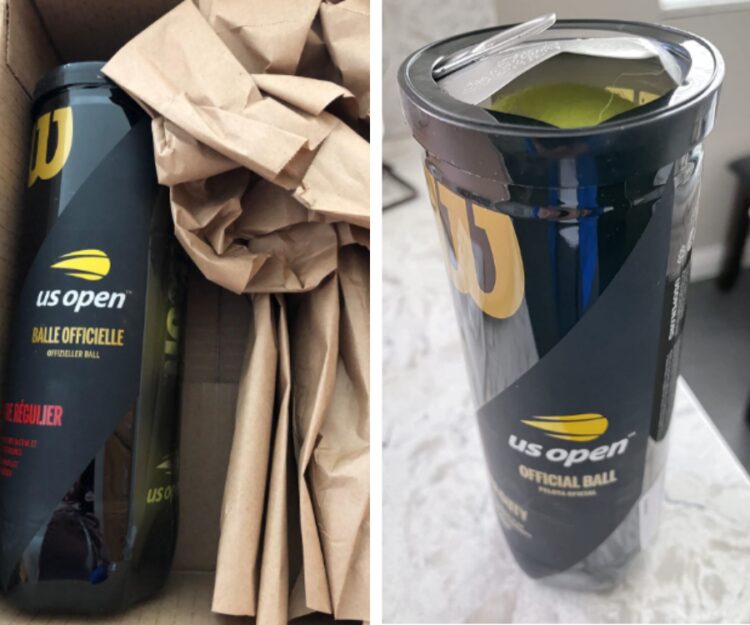
- The balls are constructed using premium quality tech felt.
- They are officially used in the US Open.
- Best for hard courts.
- Great reputation! The US Open’s choice ball
- It gives a consistent bounce on hard and indoor surfaces
- Durable and high-quality felt
- It comes in versions for all court surfaces
- The bounce tends to get reduced on the soft courts.
- The durability of the ball is quite doubtful.
- Bounce is not optimal on soft courts
4. Penn Championship Tennis Balls – Premium Quality
Features:
- Type: soft
- Felt: High-quality premium woven
- Weight: light
- Bounce: high
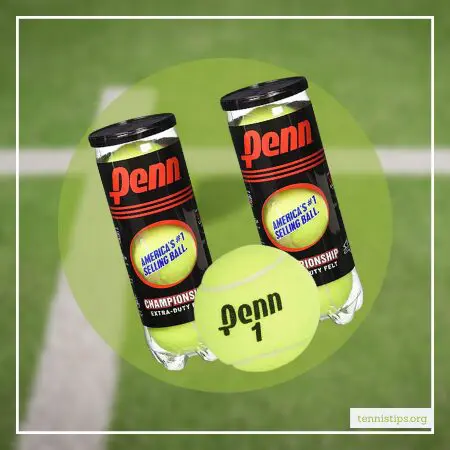
The Penn Championship heavy-duty tennis ball is an affordable ball that is made by Penn. It is one of the most selling balls in America, which could be due to the ball’s consistency on the court.
These balls are America’s most popular and best-selling tennis balls. The high-quality pressurized ball has a durable felt covering that will withstand hard surface court play. You can also use it on clay and gray surfaces. These balls have reliable performance, a superb reputation, and are reasonably priced.
The Penn championship regular duty tennis balls are perfect for indoor and clay courts. There is a special kind of felt used in the ball that helps to reduce the shocks while giving its players an extremely comfortable hitting experience every time the ball is hit.
This Penn tennis ball comes with an interlocked wool fibre, this prevents the ball from wear and abrasion. ITF and USTA approve these balls. The balls are available in all types of felt from regular duty felt to extra duty high altitude felt and can also use in tennis ball machine for solo playing.
The Penn tennis balls are made using natural rubber core, which gives the tennis players a good consistency in the feel, this also helps reduce the shocks during play.
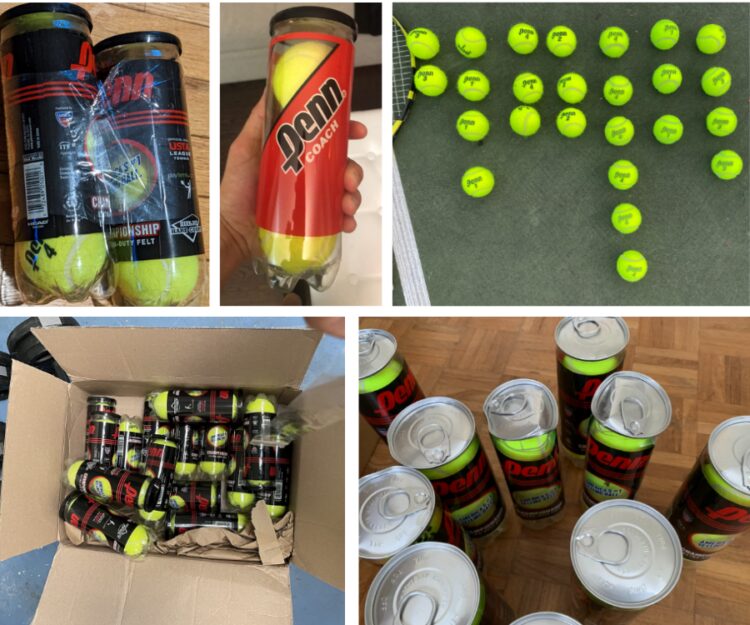
- Natural rubber core is used for a consistent feel.
- The Penn balls are affordable.
- Natural rubber helps reduce shocks
- High-quality interlocking wool fiber felt
- Durable for hard surface courts
- Excellent bounce
- The balls tend to get flat after some time.
5. Wilson Championship Tennis Balls
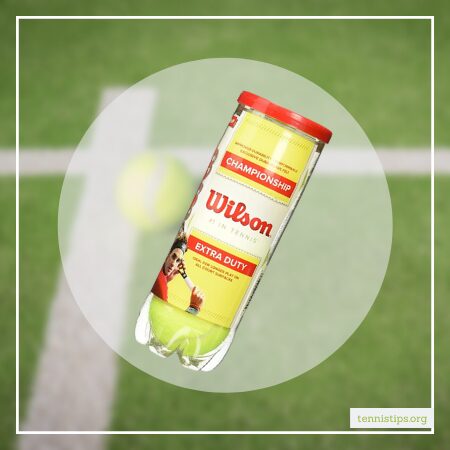
The Wilson championship regular and extra-duty tennis balls are the finest tennis ball packs available in the sports market. These balls are made in the USA and are used in the official tournaments of the Australian Open and US Open and NCAA tennis (Women and Men). The balls are extra-duty, which makes them durable for a longer time of playing; it is best suited for hard court surfaces.
The durability of these balls is extended due to the use of Dura-Weave felt. It not only increases the durability and life of these balls but also improves their performance level.
The Wilson tennis balls can be ideally used for all levels of tournament or recreational play. Many players have experienced an increase in their performances after using the tennis balls made by the Wilson brand.
- USTA and ITF approve it.
- Perfect for hard courts.
- The product is costly.
- The customer care service is not up to the mark.
6. Slazenger Wimbledon Official Tennis Balls
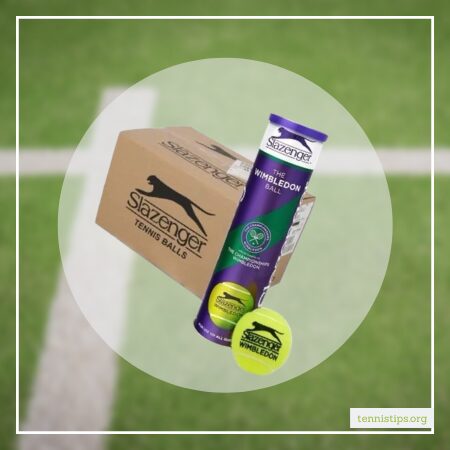
These tennis balls from Slazenger have an exceptional bounce and solid play. They are strong and are reliable, although the felt isn’t as durable as the Wilson US Open or Penn Championship balls.
Slazenger uses an exclusive technology to repel water off their tennis balls, making them an excellent choice for rainy conditions and grass surfaces. Features: These balls from Dunlop perform well for both intermediate-level and professional-level players. They give faster serves, and the seams provide a good bounce and spin. These balls are great for play on all courts, and the unique Durafelt covering holds up well on hard surface courts. Features: These tennis balls are strong, can withstand hard hits, and have a 72% real felt covering. They give players reliable control and maintain a consistent speed. Features: This tennis ball is a great option for beginners. Its neon color gives the player an easier target, and it is suitable for any type of court. It’s definitely a budget-friendly option to get started with. Features: These balls from Tourna won’t lose their bounce. On the contrary, they become a little bouncier after you play with them. They are suitable for use on any court surface and have a long-lasting felt covering. They are slightly heavier than pressurized balls, so you may need to adjust your swing if you are used to lighter balls. Features: Buying a tennis ball seems easy, but all tennis balls are not the same. The tennis balls that people choose can make big differences in their game performances. There are different brands of tennis balls available. They all have different qualities. We have prepared a list of some factors that you should know before buying a tennis ball. Go ahead, read the information provided below, and select the best tennis ball for yourself. All of the above types of tennis balls have differences in size, mass, rebound capacity, forward deformation, and return deformation. The International Tennis Federation (ITF) approved over 200 types of tennis balls! Are you confused? Do you wonder what the different colors mean? Why are there different sizes? Does anything affect the speed? We’ll take you through the different types of tennis balls to help you determine which is the best option for you. Choose a tennis ball based on your skill level. An amateur player may find it easier to learn with a different ball than an experienced athlete. If you’re new to the game or are introducing kids to the sport, look for transition balls. These balls are larger than standard tennis balls and specifically designed to move slower. They are great for learning and training. There are three general categories of beginner balls that were introduced in 2011 as part of the ITF’s Play and Stay campaign to encourage more people worldwide to get involved in the sport. Their unique colors identify these beginner balls: Practice balls, also known as coach balls, are standard size balls but lower quality than those that players would use in a USTA (United States Tennis Association) game. They are very durable, have a long lifespan, and are cheaper than the higher-quality balls. These tennis balls are mainly used for practice and are great for ball machines. Championship balls are ideally suited for practice games. They are of lower quality and pressure than professional balls but are durable and will maintain their bounce. Professional balls are the highest level of tennis balls. They are the types of balls used in the USTA. They are made from high-quality felt and have a high-pressure level. The type of court surface that you play on can affect the bounce of your tennis ball. You should buy the right ball for the surface on which you will play. If you use a ball that is the wrong type for the court surface you’re playing on, your game will be affected. The ITF regulates the type of balls that players should use on each court surface. The felt covering the tennis balls are made differently for different surfaces, as they wear down differently. You will want to choose balls that are right for the court where you play. If you are playing at an altitude over 4,000 feet above sea level, choose a ball explicitly designed for high altitudes. Since the tennis balls are pressurized with air, they will be affected by their attitude. Use a ball that is labeled for high altitude when you are playing under those conditions. Tennis balls come in different levels of quality. You want to ensure that your balls maintain their bounce for the game’s duration and the felt does not tear. Although pressurized balls will naturally lose their bounce as the players use them, some balls lose their pressure more quicker than others. Pressurized balls are filled with a pressurized gas which gives the balls their distinct bounce and speed. The standard yellow tennis balls, and the ones used for professional games, are pressurized. The drawback is that they have a very short lifespan. As soon as you open the can that they come in, the air pressure starts decreasing. In professional games, players only use pressurized balls for one match each. Pressureless balls do not use internal air pressure for their bounce but get them from their specialized rubber material. They are more durable and do not lose their bounce over time. In fact, as the felt outer layer wears out, their bounce actually increases! Most beginner balls are pressureless, but experienced players find these balls harder and heavier to use. Tennis players will notice that the balls have numbers on them. What do these labels signify? Contrary to what some people believe, they do not indicate the balls’ ideal type of surface. The numbers are actually not mandated and are there for the practical purpose of identifying your ball when it rolls off your court! A container of tennis balls typically contains three balls. All of the balls in the container will have the same number and brand name. You should check the label on your ball before starting a game. If your ball bounces off your court and onto another court, you will be able to identify your ball by the brand and number. Why is it so important for tennis players to use their own ball? Because pressurized balls lose their bounce quickly, many serious players use a new ball for each game they play. They want to be sure the ball they’re using is their new one with a high bounce and not another player’s old one that rolled onto their court. The International Tennis Federation (ITF) regulates the balls that can be used in professional games and competitions and generates a list of approved tennis balls each year. Tennis balls must meet specific requirements to meet the ITF’s standards. The IIF has a controlled facility where they test the balls to ensure they meet their standards. They check balls for proper weight, size, durability, rebound ability, and performance. There are hundreds of balls on ITF’s approved list in all categories, from stages 1, 2, and 3 to type 1, 2, 3, and high altitude. ITF indicates the balls’ manufacturer, the country that produces them, the type, and whether the ball is pressurized. Here are some frequently asked questions on choosing the right tennis ball: There is a total of four different tennis balls you can opt for. They are used for different surfaces by USTA and ITF regulations. You have the regular duty type, which is good for soft clay or indoor courts, extra duty for hard courts, grass type for grass courts, and hi-altitude. Tennis balls should be kept in the cold because it will shrink their inside air volume. This will prevent them from damaging and leaking from any side whatsoever. These two kinds of balls last similarly long. Pressured typically lasts between 1 and 4 weeks of moderate play, while pressureless lifespan is somewhere between 1 and 3 weeks of the same play amount. During this year, there were various types and brands used by professionals. Wilson brand was used for most of Grand Slams, while four out of nine tours that make up the ATP 1000 used Dunlop balls. In the United States, The Pen Tour tennis balls were official balls for most of the high-profile tournaments. Beginners should opt for those that are harder and provide you with an extra higher bounce. It is recommended that starters go for balls that are pressured and have low-duty fur. There are only a couple of colors available for tennis. You should probably go for the yellow ball since it is standard, and it offers the best visibility for both players and the audience. Look for the options that are cost-efficient and that are part of the brand you trust the most. There are many customer reviews and second opinions you can check out online before spending the money. If you are uncertain which ones you should pick, we recommend the Gamma Bag Tennis ballsGamma Bag Tennis ballsnull. They are pressureless, and there are four different colors you can choose from. Some of the more well-known manufacturers of the most commonly used balls are Penn, Gamma, Wilson, Slazenger, and Dunlop. The fuzz is a layer of felt and serves a few purposes. Those purposes include: Interestingly, tennis balls used to be black or white! The ITF started using yellow balls in 1972 because they were more visible on TV. Tennis balls now come in a variety of colors which serves to identify the type of ball it is: You can still find white, black, and even two-toned balls if you want to brighten up your game. Pressurized balls are filled with gas which gives them their distinct bounce. The balls, though, are made out of rubber, which is a slightly porous material. That means that there are tiny holes through which the air can escape. Even though the holes are microscopic, the air is even smaller, and eventually, all of the air will leave the ball, and the balls will lose their bounce ability. Manufacturers inject pressurized balls with a mix of air and nitrogen, which gives them their bounce. Actually, not all tennis balls are packaged in cans, only pressurized ones. Because the balls lose their pressure fairly quickly, they are packed in pressurized cans to help them keep their pressure. Once you open the can, the balls’ pressure will start to decline. Pressureless balls do not need to be packaged in cans as they don’t need air pressure. You can commonly find them sold in bags or buckets, and because they are cheaper than pressurized balls, you may find them often sold in larger quantities. Pressurized balls will start to lose their pressure as soon as you open up the container and continuously lose pressure after taking out. Casual players will probably not notice the difference for a few games, but professional athletes might notice the difference in the ball’s bounce and may only use the ball for one or two games. They may still use the older balls for practice if the balls still have a good bounce, even if they’re not good enough for a match. The rubber and glue used on the felt may each have a smell. When the manufacturers seal in the pressurized container, the odors cannot dissipate, so you may smell them when you open the container. Tennis balls are, unfortunately, not biodegradable. While the rubber will very slowly decompose, the felt does not. To keep them out of the landfills, here are some ways that you can reuse your old tennis balls: There is an enormous variety of tennis balls on the market. While it may seem overwhelming at first glance to choose the right one, you can narrow down the choices by identifying your needs. Do you need a ball for a beginner? Will you be playing on grass or a hard surface court? Do you want a ball with a high bounce? If you’re buying tennis balls for different players, they may each need a different type of ball depending on their level. You’ll find that once you find the ball that’s right for your skill and playing conditions, you’ll feel the difference. You may need to try out a few different varieties to find the one that feels right to you. The correct ball will definitely enhance your game. Give it an Ace! Tennis balls can have a great impact on the quality of your game. It is really important to choose the correct tennis ball to have an effective performance in court. There are different brands of tennis balls available; it is very important to choose the right one. Thus to ease your difficulty, we have provided some information on the best tennis balls that are available in the market. Read the above information, and thank us later. We have also made a list of some important factors that should be kept in mind before buying a tennis ball. The surface of the court should is an important factor in the game of tennis, and it should be known well by the player. Different brands offer balls for different surfaces. Carefully read our buying guide and choose the best tennis ball for yourself. We wish you luck with your game. If these weren’t enough, check out some other picks from Amazon also: References: https://www.cnet.com/health/fitness/best-tennis-balls/ https://www.stylecraze.com/articles/best-tennis-balls-for-practice/
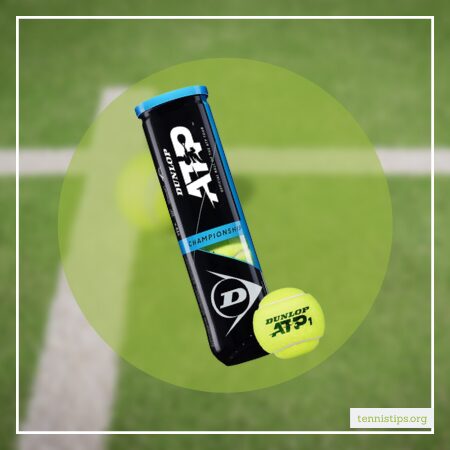
7. Dunlop Championship Tennis Ball
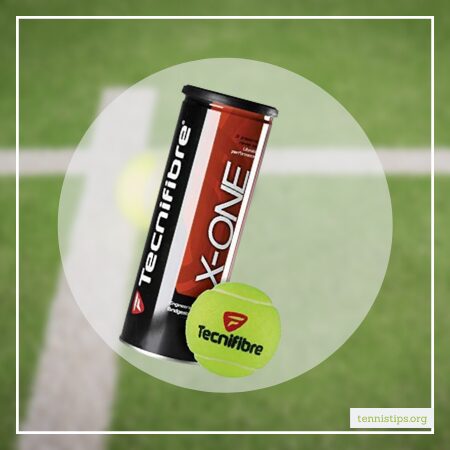
8. Tecnifibre X-One Tennis Balls
9. KEVENZ Standard Pressure Training Balls
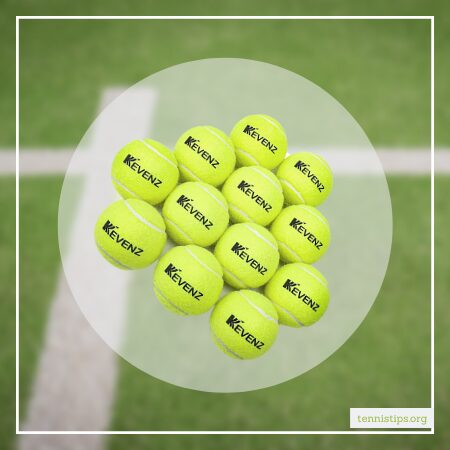
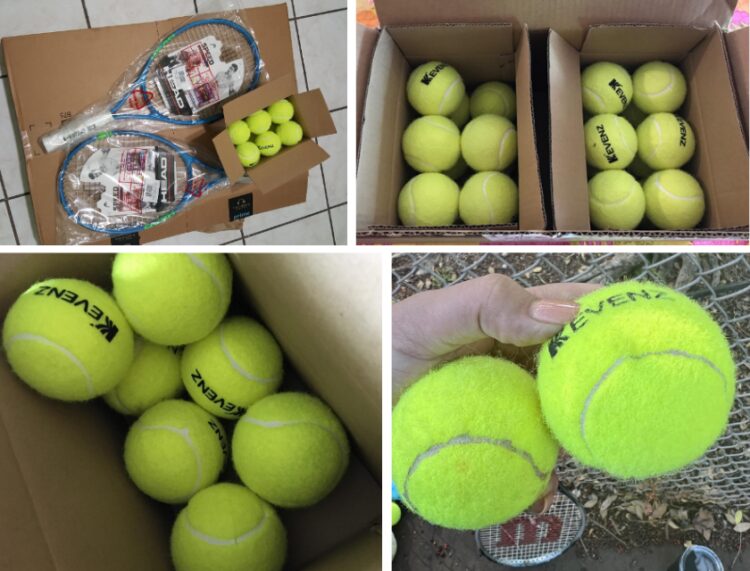
10. Tourna Pressureless Tennis Ball – Best Budget Pick
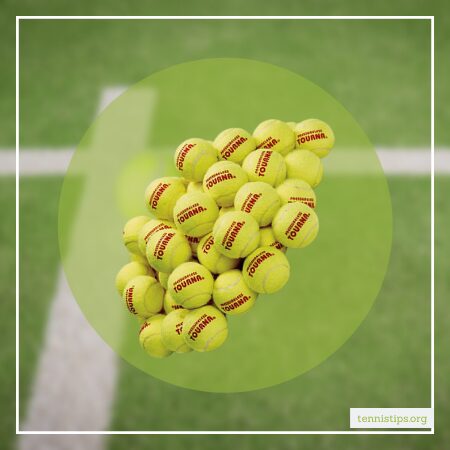
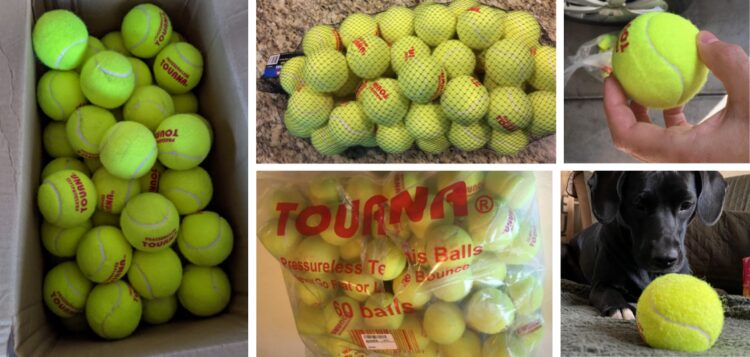
Buying Guide To Choose Best Tennis Balls
Types of Balls Based on Skill Level
Skill Level
Beginners and Kids
Practice Tennis Balls
Championship Tennis Balls
Professional Tennis Balls
Court Surface
Felt Quality: Regular Duty, and Extra Duty and Grass
Other Things You Should Consider
Playing at High Altitude
Durability
Pressurized vs. Pressureless Tennis Balls
Numbers on Tennis Balls
ITF Approved Balls
FAQ
Is there any difference between tennis balls?
Why are tennis balls kept in the fridge?
Which tennis balls last longer, pressureless or pressured?
What tennis balls do professionals use?
Which tennis balls are suitable for beginners?
Which color is best for a tennis ball?
Which tennis balls should I purchase?
What are the most popular tennis ball manufacturers?
Why are tennis balls covered in fuzz?
Why are tennis balls yellow?
Why do pressurized balls lose their bounce?
What kind of gas do they use in pressurized balls?
Why are tennis balls sold in cans?
How long will pressurized balls last?
Why do the balls have a smell when they come out of the can?
What can I do with old tennis balls?
Our Verdict
Final words